

“There are some who imagine oblivion as an empty cellar/a harvest of nothing.
Yet, oblivion is full of memory.”
— Mario Benedetti
Imagine a record of your life you can scroll.
An endless, searchable account of every glance, conversation, and hesitation. Preserved without editing and unfiltered. An uninterrupted record of life in the form of a scroll, retrievable on command.
We are beginning to produce something very close to this. A new kind of past that exists independently of human remembrance and with no space for forgetting.
I call this the unlived past.
Unlike the deliberate past of portraits, diaries, and archives, this unlived past is neither selective nor narrated. It becomes searchable, and permanently retrievable through AI chatbots.
The human past, the one that is remembered, the one that made into stories and History books didn’t survive time by default. It did through selection, narration, and forgetting of everything else. Oblivion is the necessary condition for human memory.
The unlived past changes that.
The deliberate past
For most of human history, we have had a deliberate past. What survived time was an act of selection: portraits, letters, monuments and stories that people or institutions chose to keep. The vast mass of our days that made the rest, was left to oblivion. The past as a discrete collection of acts.
Two features distinguished this deliberate past.
First, what got to be preserved was chosen. Artifacts served as filters that prized particular moments, poses, or interpretations.
The ultimate example of curation of what is to be remembered are royal portraits across history. Up until the advent of photography, it was impossible to judge how far or close from reality they were. They certainly conveyed a staged representation of the person portrayed.
Let’s take the example of Queen Victoria of England. Below we have her, portrayed by the German Franz Xaver Winterhalte. A massive painting measuring 241.9 x 157.5 cm finished in 1859 that depicts her in her coronation robes. She looks powerful, majestic and utterly rich with the Windsor castle in the background and her furry robes.
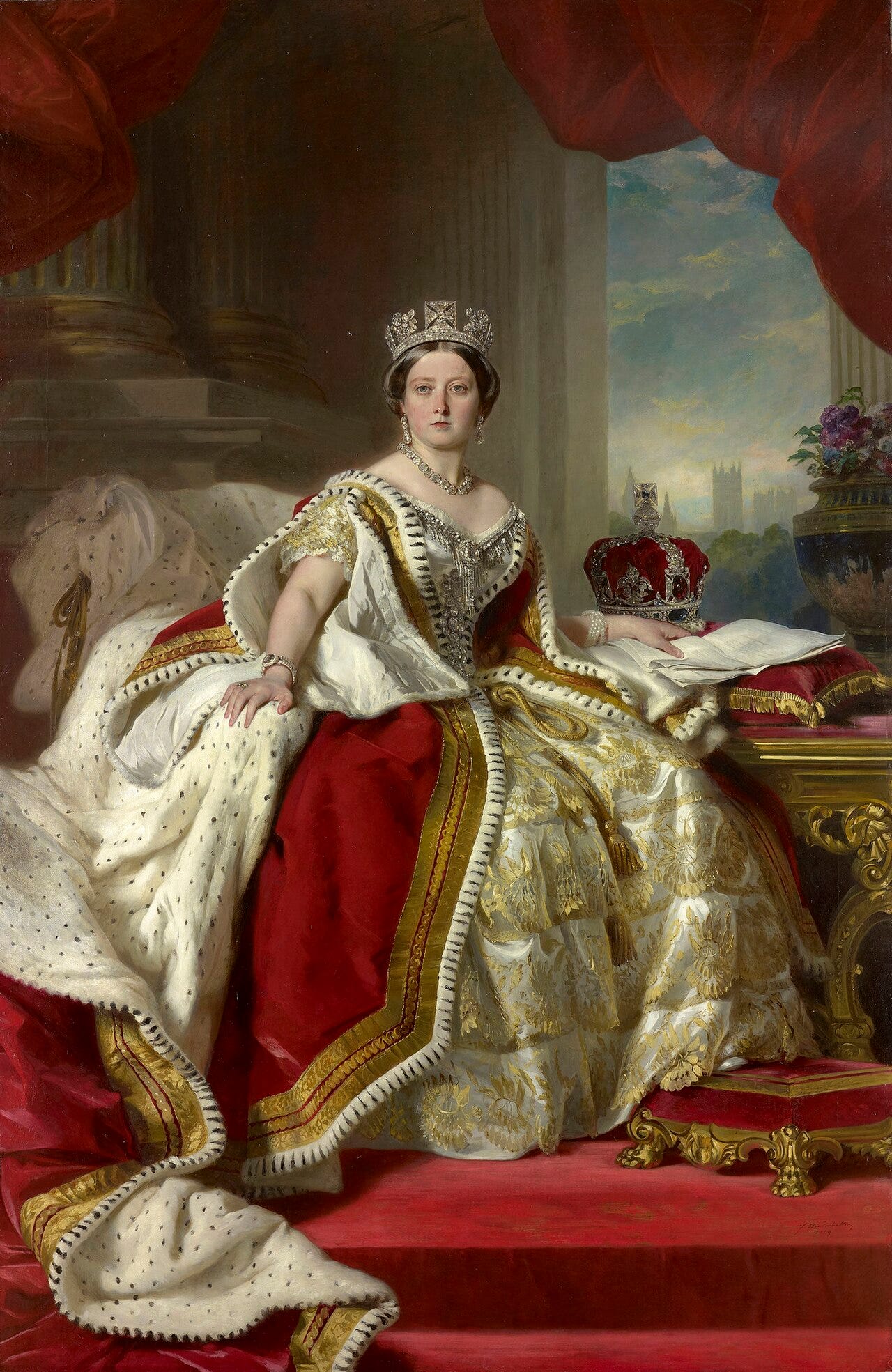
We don’t need to agree that this is the way she looked. Yet photographs taken only a year later reveal something strikingly different. One of them below:
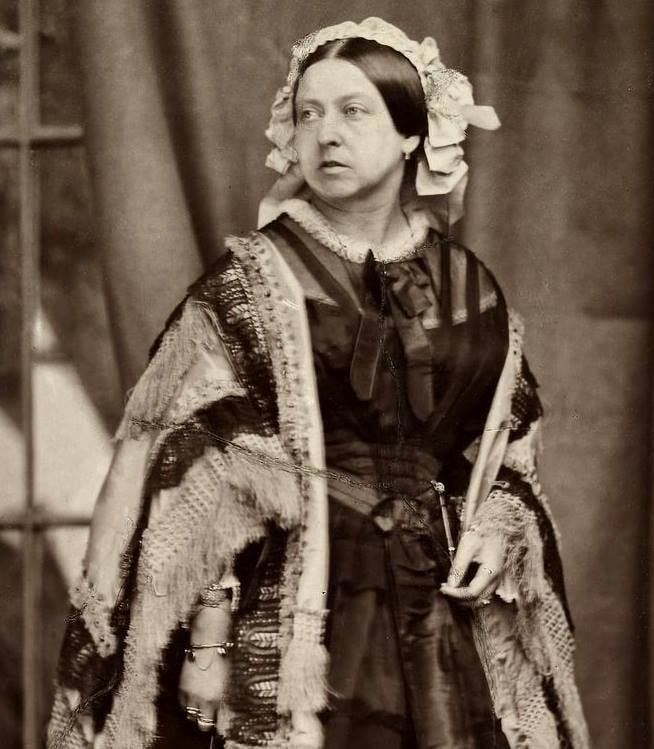
It is unmistakably the same person. But the effect changes completely. She looks tiny, almost fragile. I would even argue, less royal, more common.
My point is not that she tried to style and stage herself. We, too, are tempted by the myriad of filters we have available in our phones and photo-editing software.
The point is that everything else except those artifacts used to be gone and forgotten. The point is that if we didn’t have the photograph, we would probably think differently of her, more in the way she wanted us to think of her.
Second, in the deliberate past, the timing and audience of disclosure were controlled: memoirs were released when helpful, portraits were shown in public or held in private with intention. These features gave individuals and institutions a degree of agency over how lives and events would be remembered.
Few fictional objects illustrate this more elegantly than the Pensieve from the Harry Potter series. The Pensieve is an artifact that looks like the baptism font in a church, yet memories instead of holy water swim in it. A pool of memories, if you will. Putting your head in it immerses you back to that moment like in a VR game. It both gathers and stores memories while allowing to re-live them.
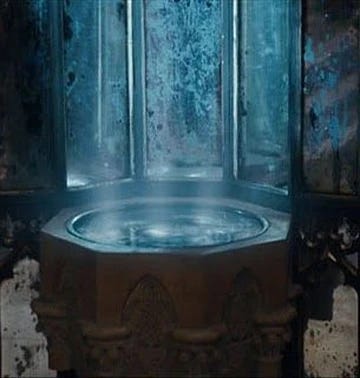
How do memories get into the Pensieve, you may ask?
By being shared in the form of tears passed from the memory holder to the memory harvester in a tiny flask. In this magical world, it is impossible to steal a memory. The person who lived it has to share it deliberately.
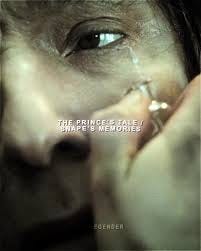
The boundary of consent, held also in this fictional world, is one that our modern tech stack increasingly erodes.
Oblivion is full of memory
Forgetting was inevitable due to the limitation of our minds. Human memory is fragile, selective and interpretative. We misremember, distort, omit and erase. Historically, most competing evidence disappeared. Archives shaped perception precisely because they were scarce.
Yet forgetting allowed people to outgrow their former selves, to repair reputations and to keep intimacies private. This granted a certain degree of influence around the narratives about ourselves. On a more collective level, it allowed communities, and even nations to move forward without carrying the full, uninterrupted weight of every past action because entire periods of time collapsed into a handful of surviving impressions.
Oblivion is full of memory.
Oblivion as the ultimate filter.
The unlived past
The modern digital stack is transforming that arrangement. Messages, locations, searches, voice notes, photos, browsing histories, biometric traces; they all record our lives indiscriminately, continuously and automatically.
They amalgamate bits and piece of millions of lives into vast datasets, stripped of their original contexts and indexed as information. What emerges is a past that offers itself to be queried, recombined, and generated on demand. Not remembered, but retrieved.
This is the unlived past.
An archive of lives that persists independently of lived recollection: unlived, yet permanently retrievable. A past assembled from traces.
Retrieval vs remembrance
This past doesn’t remember in the human sense.
Human memory is embodied and narrative. We remember through emotion, distortion, context. Think of the verb to recall in English. Even at this root, it means re-gather moments, re-gather sensations. It is a very active word. Because when we remember we attribute meaning. This is why human memory is as individual as varied. Two people can be at the same event and carry away two entirely different versions, two different pasts. Human memory is “lossy” by design, prioritizing the meaning of an event over the raw facts.
In contrast, the unlived past offers a form of persistence in lieu of memory. It is a database memory, flat and indifferent. We query it and the past we get is rendered in front of us with no effort on our part. Unlived and permanent.
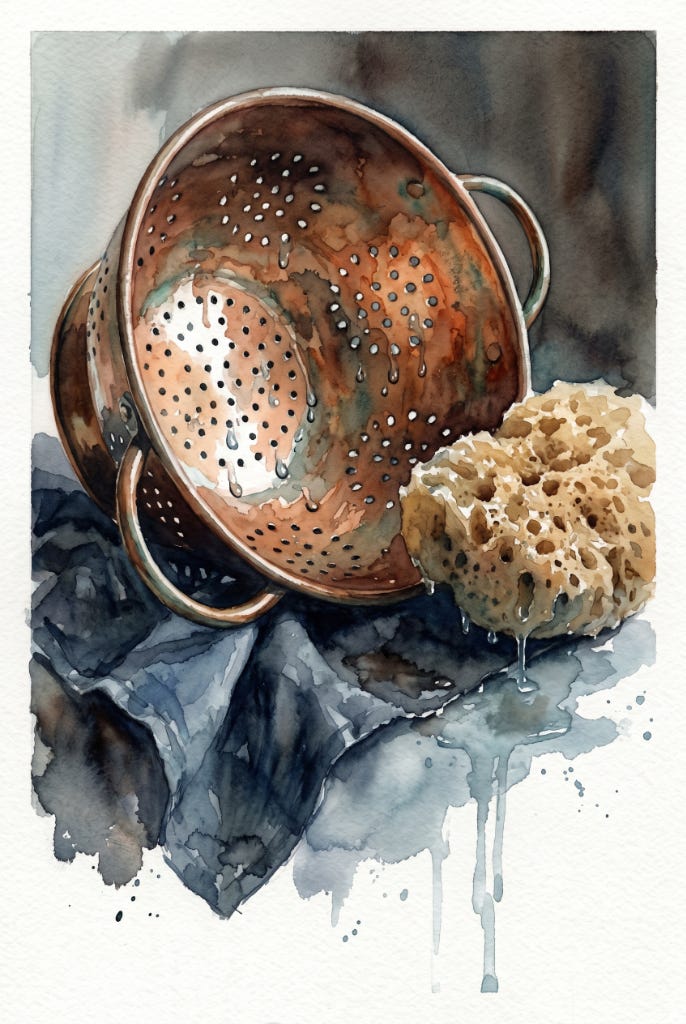
Where the deliberate past is a collander, the unlived past is a sponge.
The Grace of Forgetting
Forgetting a.k.a the human ability to let some things lapse into oblivion has been a form of moral and social agency. It let people manage reputations, recover from mistakes, and keep private the intimacies that give life dignity. It gave us the possibility to redefine ourselves anew.
The unlived past ends that grace. It comes hand in hand with a world where the past no longer fades but awaits. Indifferent to our growth or our regrets, ready to be rendered at the touch of a prompt.
The colander of human memory, replaced by the sponge of a database takes away our ability to curate our own identities. We become prisoners of our own traces, unable to escape the person we were ten years, ten minutes, or ten thousand data points ago.
If Mario Benedetti were alive today, he would see that the “empty cellar” he once dismissed has been filled with the cold, unblinking glare of a ledger. He would have to rewrite the poem.
Oblivion is full of emptiness.
P.S.: We're making the first Phi/AI Anthology, a printed collection of the essays that stayed with us most from our first year. It goes to print if we reach 30 pre-orders. Help us make this book exist.